
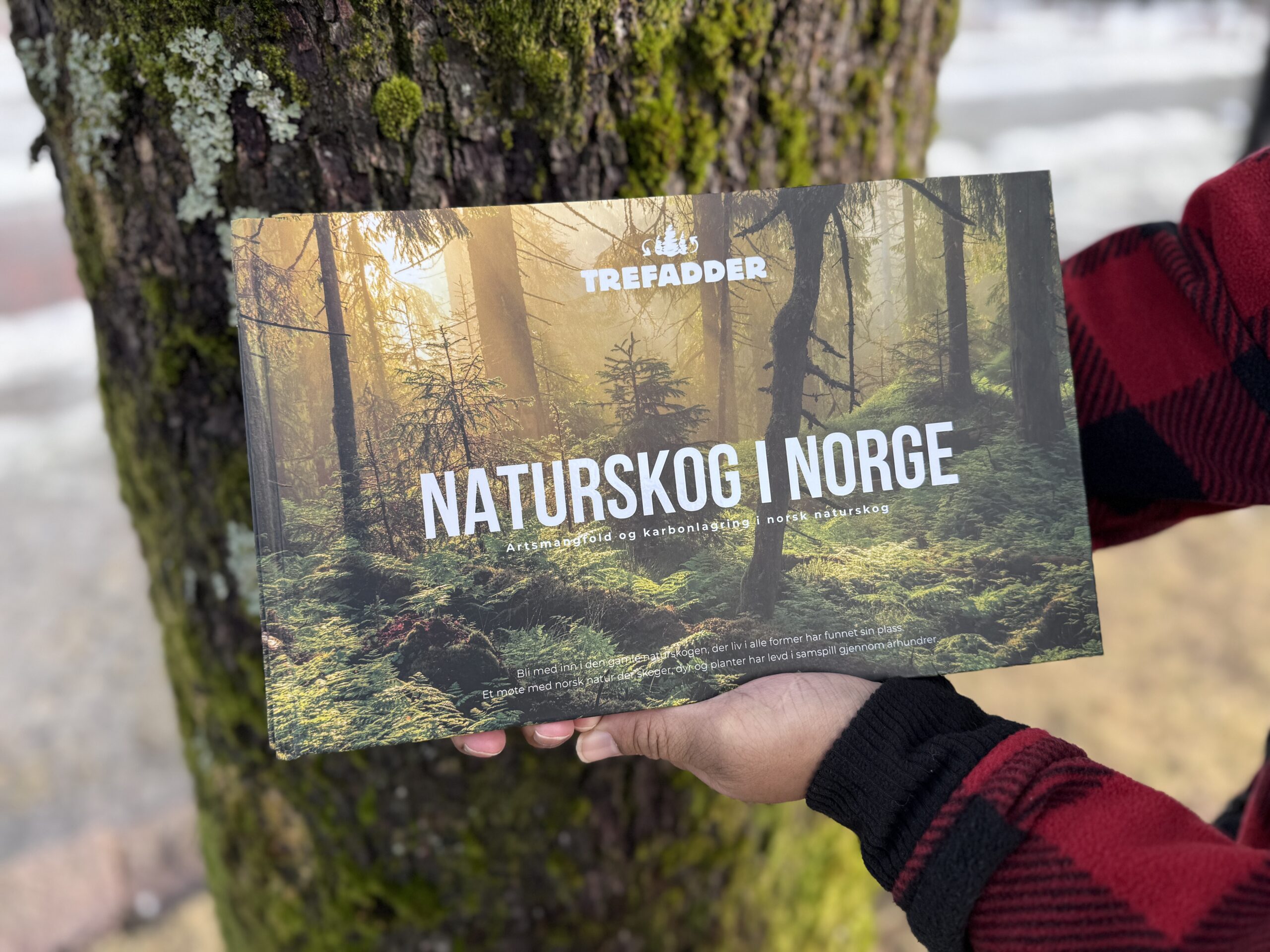
New book: Natural forests in Norway
The remaining fragments of Norway’s natural forests are today highly fragmented and under pressure. Large parts of the forest landscape have been transformed into production forests, and truly old, ecologically intact areas are often found only as small pockets in the terrain. Once such forests are lost, they cannot be recreated within a human timescale.
We see a clear need to document the ecological values and carbon storage these natural forests represent, before the knowledge base disappears along with the forests themselves. With the book Natural Forests in Norway – biodiversity and carbon storage in Norwegian natural forests, we bring forward the scientific documentation needed to understand what is at stake.
A review of the role of natural forests
From coast to inland, from south to north, Norway contains a diversity of forest types shaped by climate, topography, and long ecological processes. In the book, we provide an overview of:
• What characterizes natural forests and old-growth forests
• How ecological continuity develops over time
• Why deadwood, multi-layered structure, and old trees are essential for biodiversity
• The role natural forests play in long-term carbon storage
Today, large parts of Norway’s forest landscape are dominated by production forests. The remaining old natural forests are often fragmented. These represent ecosystems that cannot be recreated once they are lost.
The role of forests in the climate
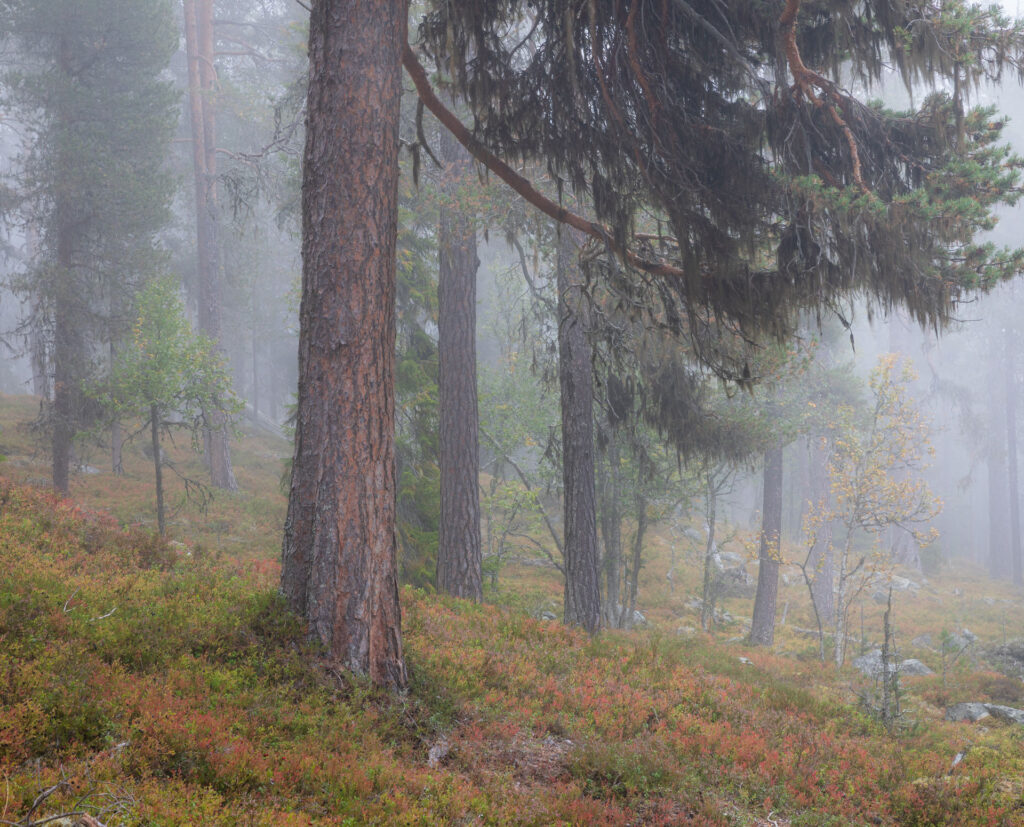
Natural forests function as stable carbon reservoirs. In boreal forests, most of the carbon is stored below ground, in soil and organic material. One hectare of old-growth natural forest can store up to 700 tonnes of CO₂.
When such forests are left undisturbed, we not only preserve the carbon already stored. We also maintain the forest’s capacity for continued carbon uptake. Protecting old-growth forests is therefore a concrete and long-term climate measure.
It is about more than numbers. It is about protecting natural systems that have taken centuries to build their stability.
Strong scientific foundation
The author of the book is Rein Baalsrud Midteng, a forest ecologist and field surveyor with several decades of experience documenting ecological values in Norwegian forests. Through his work, he has contributed to the protection of more than one hundred old-growth forest areas, now secured as nature reserves and national parks.
The book includes a foreword by Dag O. Hessen, Professor of Biology at the University of Oslo. In the foreword, he highlights the broader perspective—the role of natural forests in the carbon cycle and the importance of preserving ecological continuity.
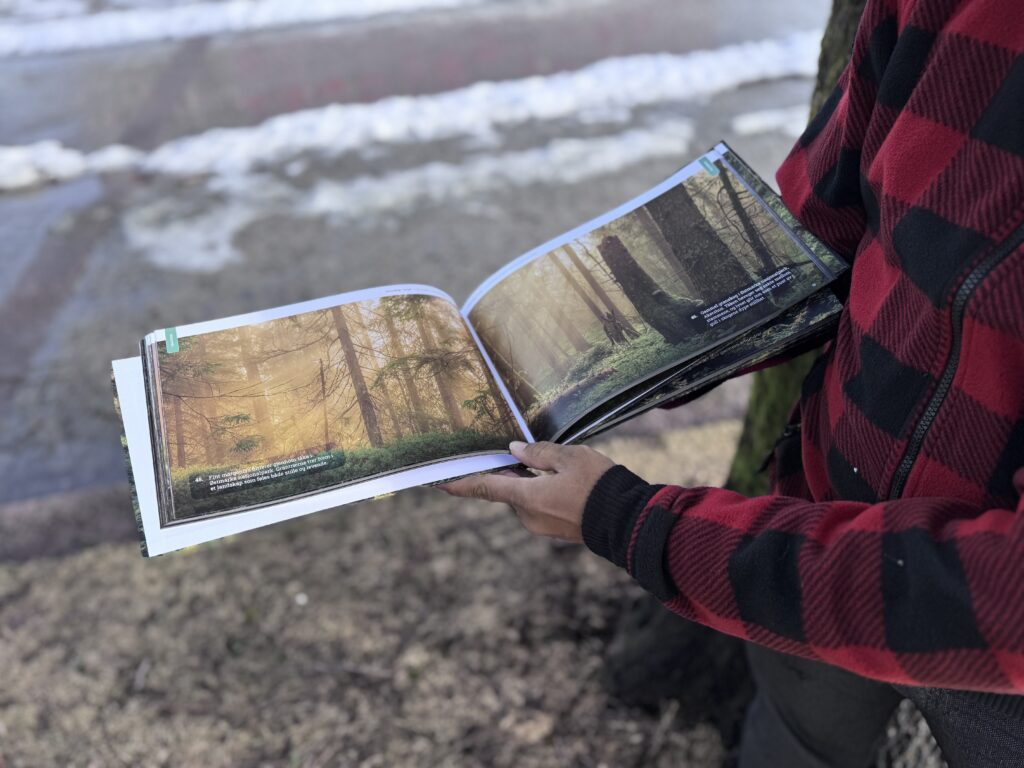
The photographs are taken by Daniel Pedersen, a nature photographer with a background in environmental management. The images document the structure, diversity, and slow ecological processes of natural forests throughout the seasons.
An important book at a critical time
National targets call for increased protection of old-growth forests by 2030. At the same time, the demand for voluntary conservation far exceeds available public funding. Many forest owners who wish to protect forests with high ecological value face long waiting times or rejection.
Natural Forests in Norway is a contribution to a more knowledge-based discussion on forest management. It clarifies the distinction between natural forests and production forests, and demonstrates why the remaining areas must be protected while it is still possible.
Trefadder’s work on protecting old-growth forests
Through our forest conservation model, Trefadder works to secure long-term protection of natural forests through private initiatives. The model includes:
• Financial compensation to landowners
• Legally binding agreements ensuring permanent protection
• GIS-based mapping and documentation
• Reporting on carbon storage and ecological condition
Companies and private individuals can contribute directly to protecting forests with high ecological value.
A responsibility for future generations
Natural forests are ecosystems that have developed over centuries. They provide ecosystem services such as carbon storage, water regulation, erosion control, and habitats for threatened species. They also represent cultural and historical continuity in the Norwegian landscape.
With Natural Forests in Norway, we aim to strengthen understanding of why these forests must be preserved, and to invite more people to take part in the effort to safeguard them for the future.


