
Norway’s largest commercial kelp forest restoration project
The pilot project bringing life back to the ocean
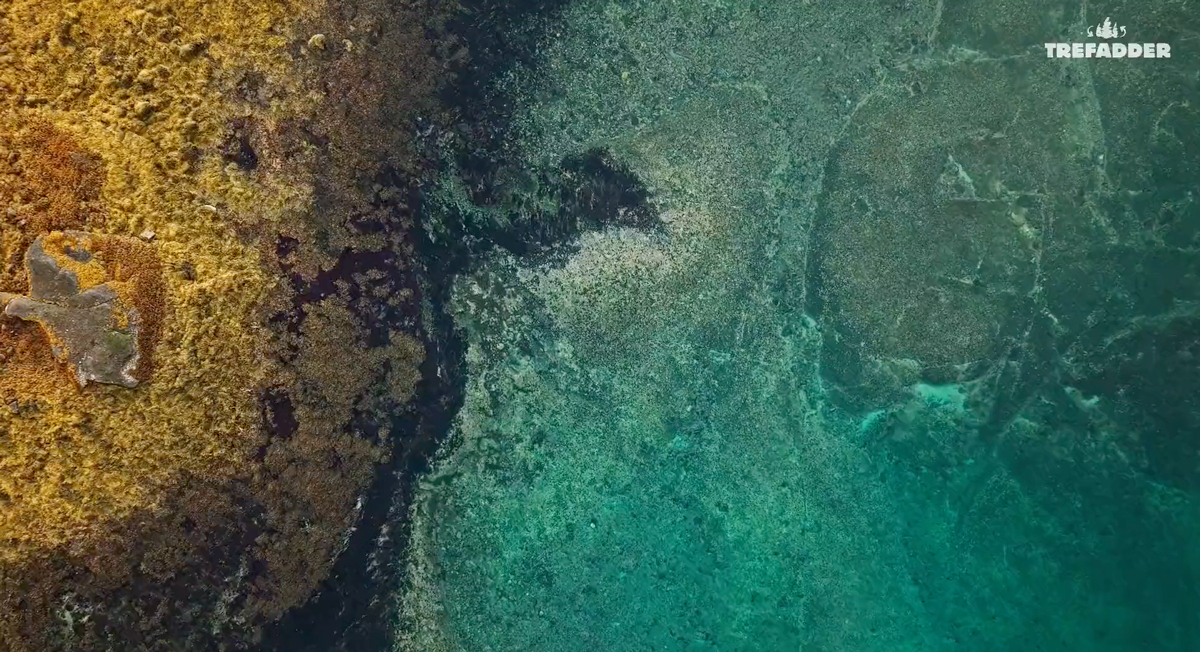
Along large parts of the northern Norwegian coastline, kelp forests have disappeared. Research shows that approximately one third of Norway’s kelp forests are gone, and many areas have been transformed into so-called sea urchin barrens. When large populations of sea urchins graze the kelp down to bare rock, what remains are nearly lifeless marine environments. This is a serious development, as kelp forests are a keystone habitat for fish, invertebrates, and the entire marine ecosystem.
To reverse this trend, we have established Norway’s largest commercial kelp forest restoration project. The pilot area is located in Rystraumen in Tromsø municipality and is a research and development initiative funded by Vår Energi, with NIVA as the scientific partner. The goal is to document how targeted removal of sea urchins enables kelp regrowth, and how this affects nature and the local marine environment.
Kelp forests as natural carbon sinks
Healthy kelp forests are not only vital for marine life — they also play a role as natural carbon sinks. Kelp grows rapidly and absorbs large amounts of CO₂ through photosynthesis. Some of this carbon is transferred through the ecosystem, while a portion is stored over time in biomass and in sediments on the seabed.
Through our collaboration with NIVA, data is collected on the development of kelp forests, biodiversity, and productivity, enabling us over time to document both ecological impacts and carbon-related benefits.
In this way, the project represents an important first step toward linking kelp forest restoration with more precise measurement of carbon uptake — and, over time, the development of robust standards for blue carbon in Norwegian coastal ecosystems.
A restoration area of 150 hectares
The project covers an area of approximately 150 hectares that previously supported dense and healthy kelp forests. NIVA has assessed the area as highly suitable for regrowth, as seabed conditions, depth, and light availability provide favorable conditions for kelp to re-establish. Today, the area is dominated by sea urchins.
Ecofang has already cleared large parts of the area, and the initial phases of the project were approved by NIVA just a few weeks ago. The next assessment is scheduled for January, while Ecofang continues clearing and maintaining the surrounding areas to prevent the return of sea urchins. We expect to see visible signs of regrowth as early as this summer.
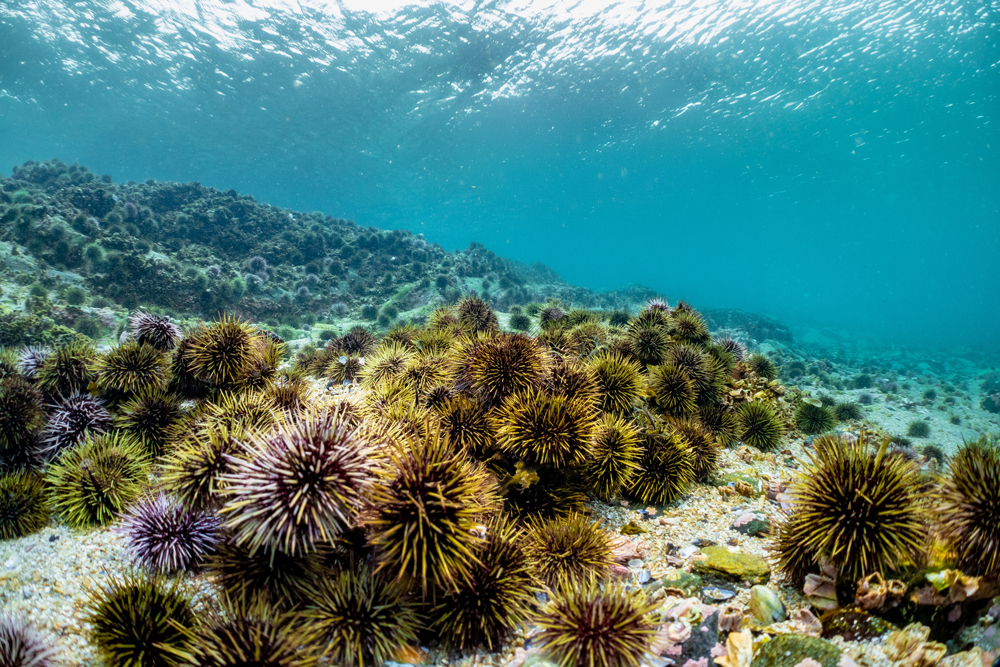
From sea urchin barrens to thriving ecosystems
When kelp forests return, so does life. Healthy kelp forests form the foundation for a wide range of species, creating resilient and diverse marine ecosystems. Kelp habitats serve both as feeding grounds and shelter for fish, invertebrates, and many other organisms that have disappeared alongside the spread of sea urchins.
Kelp restoration is also of great importance to coastal communities. More life in the ocean improves conditions for fish and other marine resources, creating ripple effects that strengthen both nature and local industries over the long term.
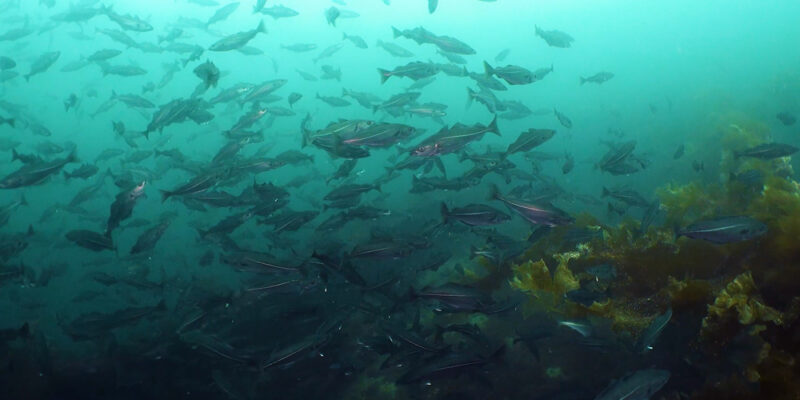
A model for future nature restoration
The pilot project in Rystraumen provides new knowledge, improved methods, and a solid framework for how we can restore large kelp forest areas in Norway. The experience gained will help strengthen nature, revitalize marine ecosystems, and lay the foundation for similar projects along the coast.
Kelp restoration is a concrete, targeted, and nature-positive measure that delivers lasting impact. Rystraumen marks the beginning of a broader effort to bring life back to our coastline.

